Breaking in a 1911
By Syd
Break-in of a pistol is not quite the elaborate ritual that it
is with a rifle. Here's what I do. Field strip it and check it out. If
it's bone dry, give the contact surfaces a light coat of gun oil or
grease, depending on what you have. I use
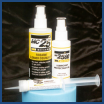
Mil-Comm MC2500 gun oil and
Mil-Com TW25B grease on the slide rails and just a bit on the lugs
where the barrel locks into the slide just forward of the chamber. If
the gun happens to have excess lubrication in it, clean that out.
Springfield is bad about shipping guns that are just dripping with
oil; Kimber tends to ship them dry. I run my fingers over the rails
just to make sure that there are no burrs or rough spots. There
probably won't be any with a Kimber or Springfield, but you never know. Even good
gun makers occasionally miss things.
I will take a swab and give the bore a very, very light coat of
oil, not wet and drippy, but just run a lightly oiled swab through the barrel
a couple of times. It may only be my imagination, but this seems to
make the barrels easier to clean after they've been fired. Then go to
the range and run 50-100 rounds through the gun. Bring it home and
give it a thorough cleaning and lube, including the very light coat of oil
in the bore. Repeat this through the first 500 rounds fired through
the gun. The key to a good break-in is frequent cleanings during the
first 500 rounds.
I don't really consider a pistol broken in until I
have 1000 rounds down range. If the gun is to serve as a personal
defense weapon, a minimum of 200 rounds of the carry load should go
through the gun without a malfunction.
When I clean a pistol, the first thing that I do is
to run a swab soaked in
Mil-Comm MC25 Cleaner/Degreaser through the bore and set
the barrel aside to let the solvent work while I clean the rest of the
gun. After the rest of the gun is clean, I brush the barrel out with a
bronze brush (don't use steel brushes) and then clean out the gunk
with with cotton patches.
Dry firing helps to smooth the engagement surfaces
on the sear and hammer. Despite what some people will tell you, dry
firing is a good thing, and it helps to smooth the action. Unless
you're unhappy with the trigger break, nothing more is needed.
A method I picked up from "Gun Tests" is to push forward
firmly on the hammer with your thumb while pulling the trigger 10 or
20 times. This does seem to remove roughness at the sear and gives a
slight but noticeable improvement.
I know some people who will do a complete detail
strip (completely disassembling the gun) with a new 1911. They will
clean, oil all the parts, and sometimes lightly polish the engagement
surfaces on the hammer and sear. I don't recommend this for people who
are new to the gun. 1911's are easy to take apart, but more difficult
to reassemble until the user acquires greater familiarity with the
mechanism. I would certainly do the detail strip on a used gun that I
didn't know, but on a new gun, it shouldn't really be necessary unless
it just makes you feel better about the gun. Tips for
enhanced break-in and reliability preparation for autoloading pistols
http://www.sightm1911.com/lib/tech/fluffandbuff.htm
|